




Treatment stops the spread of HIV

New medications help people manage HIV so they can stay healthy. These medications also protect their sex partners from getting HIV.

Icon of a medication bottle
An older Black man and Black woman walking down a residential street

People living with HIV can now live long, healthy, sexually active lives

End HIV Oregon’s goal is to achieve 100% viral suppression for all people living with HIV in Oregon. HIV medications taken as prescribed help people maintain an undetectable viral load. That means they cannot transmit HIV to others.

Group of friends eating dinner and cheersing with waters

Treating HIV is essential

HIV can be treated with antiretroviral therapy (ART). ART reduces the amount of HIV in the blood (the viral load). Reducing viral load means people living with HIV can live longer, healthier lives. It means they can avoid transmitting HIV to sex partners.

Two people in bed opening a condom

Undetectable=
Untransmittable (U=U)

U=U means that people living with HIV who take their medication as prescribed and maintain an undetectable viral load cannot transmit HIV to others through sex. This is a liberating new reality for those living with HIV and their sex partners. U=U means more sexual freedom and reduces stigmas associated with HIV.

Oregon’s HIV care and treatment programs

People living with HIV have access to free treatment medications and support in Oregon.

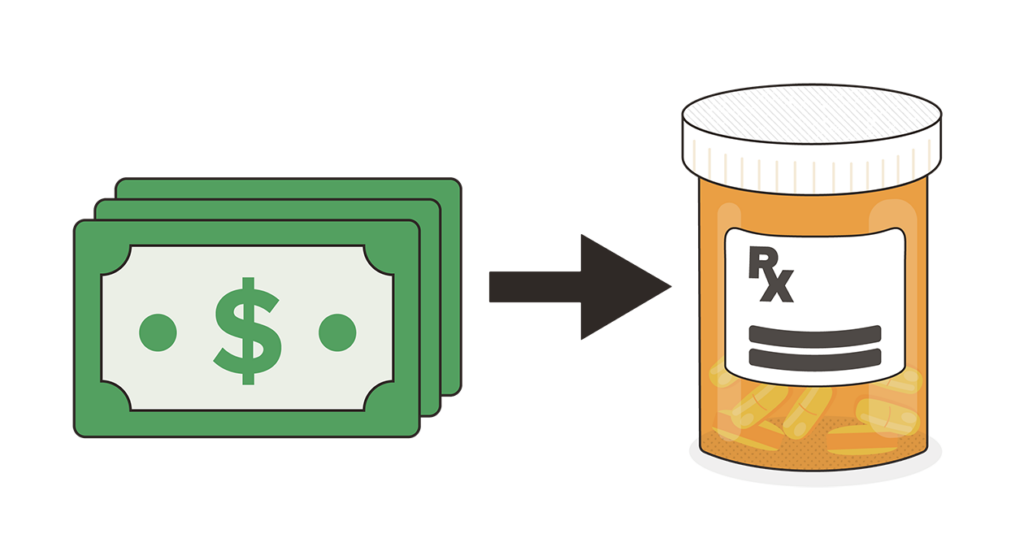
Icon of money with an arrow pointing to a medication bottle

CAREAssist provides treatment services and support to people living with HIV. Case managers can provide additional support

Oregon’s AIDS Drug Assistance Program is called CAREAssist. It provides financial help for people living with HIV. CAREAssist pays for medications and insurance co-pays. Case managers are available statewide to provide added support.

Learn more about CAREAssist Find an HIV case manager
Two people side-hugging

The HIV Care Continuum is one tool for assessing HIV care and treatment in Oregon

Ending new HIV transmissions requires more than testing and diagnosis. People living with HIV need lifelong support to maintain their health and suppress the virus.

For some, that may include help getting medication or finding a case manager. It could mean finding stable housing or a job. Staying healthy and virally suppressed while living with HIV goes beyond taking medicine. If you’re diagnosed with HIV, know that you’re not alone. Oregon offers many support services to help you.

In Oregon, most people who are diagnosed with HIV become virally suppressed. Rates of viral suppression are higher here than in other parts of the country. This suggests that Oregon is helping many people with HIV to live longer, healthier lives. However, many Oregonians are living with HIV and don’t know it. To achieve Oregon’s goal of zero new HIV infections, we need to increase testing statewide.

HIV Care Continuum

The steps that people with HIV take from diagnosis to achieving and maintaining viral suppression.

Plus and minus signs
Diagnosed
with HIV
Stethoscope
Linked
to care
Hand with pill
Received HIV
medical care
Circular loop
Retained
in care
Health care clipboard
Achieved & maintained viral suppression

Using tobacco increases the health risks for people living with HIV

Placing a nicotine patch on an arm

Quitting tobacco supports a longer, healthier life span. It reduces the risk of serious health issues including:

  • lung cancer and other cancers
  • heart disease
  • stroke
  • Chronic Obstructive Pulmonary Disease (COPD)

There are free resources for people who want help quitting tobacco. These are available regardless of your income or insurance status. If you’re ready to quit, call the Oregon Tobacco Quit Line. The Quit Line offers:

  • free information and tips
  • counseling with a Quit Coach
  • help getting Nicotine Replacement Therapy (patches, gum or lozenges)

Call the Quit Line directly at: